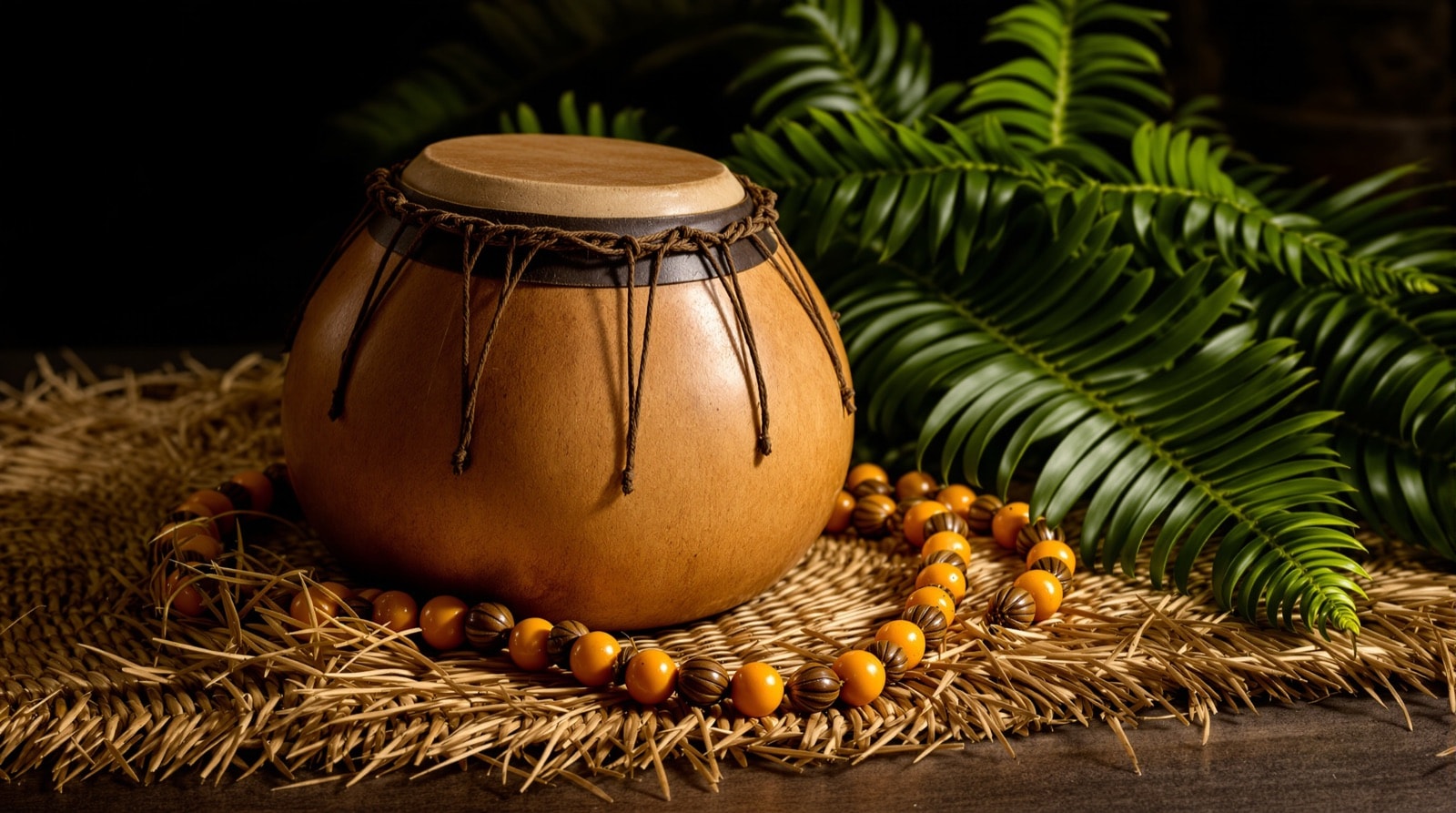
Merrie Monarch Festival
Every spring, for one week in Hilo, hula is the most important thing happening in the state. This blog had a category for it, and used it every April.
The Merrie Monarch Festival is a hula competition and cultural festival held annually in Hilo on Hawai’i Island, in the week following Easter. It is named for King David Kalākaua, the “Merrie Monarch”, whose reign in the late nineteenth century restored hula and Hawaiian language and music to public life after decades in which they had been actively suppressed.
Why it matters more than a festival usually does
Hula is not decoration and was never entertainment first. It is a system for carrying knowledge — genealogy, place, history and the natural world — in a culture whose language was oral. Its suppression in the nineteenth century was therefore not a matter of taste; it was the interruption of a transmission system. Kalākaua’s revival is remembered the way it is because of what would have been lost otherwise.
The festival that carries his name has run since 1964 and is judged seriously. Hālau — hula schools — prepare for a year. The competition covers hula kahiko, the ancient form performed to chant and percussion, and hula ‘auana, the modern form with melody and instruments, and the standards applied to both are exacting: the chant, the language, the adornments, the plants used, the accuracy of the story being told. It is broadcast live across the islands, and for that week a great many households simply watch.
The festival’s own organisation publishes its history and schedule at merriemonarch.com, and the Bishop Museum in Honolulu — the state museum of natural and cultural history — is the obvious next stop for anyone wanting to go further than a week in April.
Watching it from a blog
What this category actually contained was the view from a living room on another island: notes on who was competing, reactions to a particular performance, photographs from around the same season, and the annual business of explaining to a readership that was mostly on the mainland and in Europe why this was the thing being written about that week.
That was a recurring role for the blog generally. A personal blog written from Hawai’i to an audience that mostly was not there ends up doing a certain amount of quiet translation — of vocabulary, of the calendar, of what is ordinary. The Hawaiian words that turn up untranslated across the site are the same instinct pointing the other way: mahalo, hau’oli, pau, and the a hui hou that closed every post.
The island year, as this blog kept it
- Spring — Merrie Monarch, and the run of parades and lei days around it
- Summer — the beach posts, the aircraft over the harbour, the long slow photography weeks
- Autumn — University of Hawai’i football, which had its own category and its own moods
- December — Mele Kalikimaka, the yard lights, and a twelve-day Christmas contest run jointly with another blog
Alongside that ran the weekly features that filled everything in between — Aloha Friday, Weekend Reflections, Sunday Stealing and the rest.
A note on writing about someone else’s culture
A personal blog written from Honolulu by somebody posting about hula for a mainland readership is standing in a slightly awkward spot, and it is worth naming rather than glossing over.
The version of this that goes wrong is familiar: the festival gets flattened into scenery, the dancers become photogenic rather than skilled, the language gets used as decoration, and a living practice ends up described as though it were a performance staged for visitors. It is not a hypothetical failure mode — it is most of the tourist-facing material ever produced about Hawai’i.
The version that goes right is narrower and duller and mostly consists of restraint: name the thing accurately, say who runs it, explain what is actually being judged, point at the people whose festival and whose scholarship it is, and stop. If a word does not translate, say that it does not translate rather than supplying a convenient English substitute. If you are watching on television from another island, say so, rather than writing as though you were in the room.
Those attribution standards apply throughout, which is why the links on this page go to the festival’s own organisation and to the museum that holds the collections, and why there is nothing here about individual performances or performers. On a page about a cultural practice that survived a deliberate attempt to end it, getting the attribution right is not a courtesy.
Hey, it’s only my opinion.
A Hui Hou